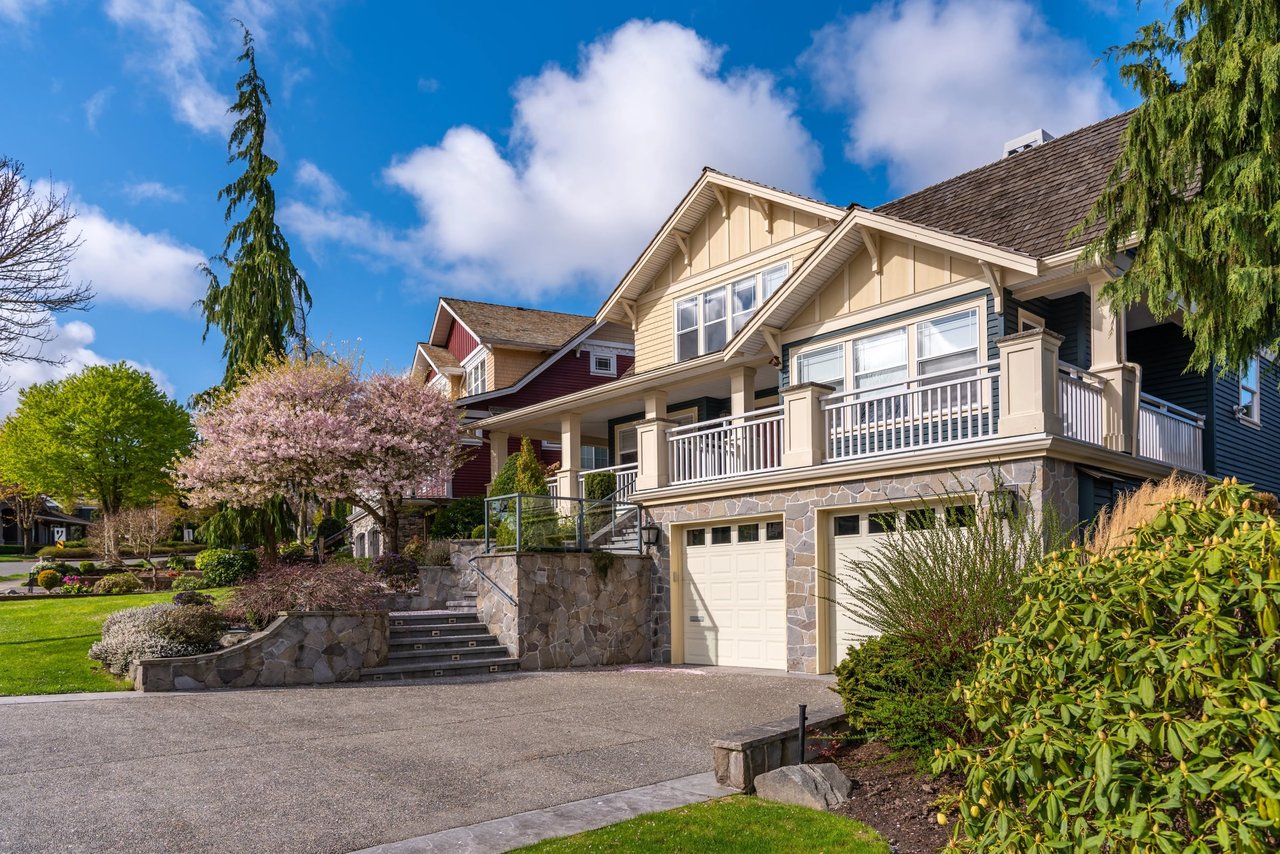
Thinking about selling a condo or townhome in Berkeley? You are not just selling your unit. You are also selling the strength of the HOA, the condition of the building, and the clarity of the paperwork. If you understand those moving parts before you list, you can price more accurately, avoid surprises, and move through escrow with more confidence. Let’s dive in.
Berkeley attached-home sales are different
Selling a condo or townhome in Berkeley is different from selling a detached house. Buyers will still care about your layout, condition, light, and location, but they will also study monthly dues, reserve funding, insurance, and any signs of future building costs.
That matters in a market where broad citywide pricing does not always reflect attached-home value. As of April 30, 2026, Zillow reported Berkeley’s average home value at $1,451,222, while Redfin showed a median listing price of $687,000 for Berkeley condos. That gap is a good reminder that condo and townhome pricing should lean on recent attached-home comps and HOA information, not just the overall Berkeley market.
Berkeley has also been moving quickly. Zillow reported homes going pending in about 15 days, and Redfin reported about 6 offers on average in the city over the prior three months. Even in a fast market, attached-home buyers often slow down to review HOA documents carefully.
Price with condo comps, not house headlines
If you want the strongest result, start with the right comparison set. A condo in a well-run building with stable dues and healthy reserves may compete very differently from a unit in a building with deferred maintenance or special assessment risk.
That is why pricing a Berkeley condo or townhome should include more than square footage and finishes. You also want to look at:
- Recent sales of similar attached homes nearby
- HOA dues and what they cover
- Reserve funding and repair planning
- Insurance summaries
- Any current or planned special assessments
- Condition of shared elements like roofs, balconies, walkways, and exterior systems
A smart pricing strategy helps you avoid two common problems. Price too high and buyers may hesitate once they review the HOA package. Price too low without a clear plan and you may leave money on the table.
Get HOA documents early
One of the best things you can do before listing is order your HOA disclosure packet right away. Under California Civil Code, the owner of a separate interest must provide this package as soon as practicable before title transfer or contract execution.
If you request the packet from the association, the association must respond within 10 days and may charge a reasonable fee based on actual cost. You also need to provide any current HOA documents already in your possession at no cost.
This early step can save real time later. Instead of scrambling after you accept an offer, you can review the documents in advance, spot red flags, and decide how to position the property.
What the HOA packet includes
For many Berkeley sellers, this packet becomes one of the most important parts of the sale. California law says it includes items such as:
- Governing documents
- The most recent annual budget report
- Reserve materials and reserve funding information
- Current assessment and fee statements
- Unresolved violation notices
- Requested board minutes
- Any approved but not yet due assessment changes
- Rental restriction statements
- Builder defect materials, when applicable
- The most recent exterior elevated elements report
For a buyer, this package helps answer a bigger question: is the building being managed in a way that supports value over time?
Reserve health can shape buyer confidence
The annual budget report is not just routine paperwork. Under California Civil Code, it includes a reserve summary, a reserve funding plan, possible special-assessment information, and an insurance summary.
That means buyers may look beyond your unit and focus on the building’s financial planning. If reserves appear thin or major repairs seem underfunded, buyers may worry about future costs, even if your home shows beautifully.
For sellers, this creates a practical advantage. If you understand the reserve picture before you list, you can prepare for buyer questions and build a cleaner negotiation path.
Elevated elements matter more in 2026
Since January 1, 2026, the resale packet specifically includes the most recent exterior elevated elements report. In plain terms, this can be especially important if your Berkeley condo or townhome has balconies, decks, stairs, or elevated walkways tied to the project.
California also requires a nine-year visual inspection cycle for exterior elevated elements in condominium projects. In older buildings, buyers and their agents may pay very close attention to the findings, repair history, and any future work tied to those shared components.
If the report is recent and reassuring, that can support buyer confidence. If it points to repairs or further review, you will want a plan for how to explain the issue and reflect it in pricing or negotiations.
Building safety issues can affect the sale
In Berkeley, some older attached buildings come with building-level obligations that matter in a transaction. The city requires owners of unreinforced masonry or soft-story buildings with five or more units to retrofit.
That does not mean every condo or townhome is affected, but if your building falls into one of those categories, buyers may want to know the status. Has required work been completed, planned, or funded? Is there a cost still to come?
When these issues exist, clarity helps. Buyers tend to respond better when the facts are organized early rather than introduced late in escrow.
Disclosures still matter inside the unit
Even though HOA paperwork is a major part of an attached-home sale, your unit-level disclosures still matter. Standard California seller disclosures include the Real Estate Transfer Disclosure Statement and the Natural Hazard Disclosure Statement.
The Natural Hazard Disclosure covers items such as earthquake fault zones, seismic hazard zones, high or very high fire hazard severity zones, and wildland fire areas. In Berkeley, where buyers often pay attention to seismic and hillside-related concerns, these disclosures are part of the normal due diligence process.
California brokers also have a reasonably competent and diligent visual inspection duty. For a condo or planned development, that inspection does not extend beyond the unit offered for sale when the seller complies with HOA disclosure statutes. In practice, that makes the document review just as important as the physical walk-through.
Tenant-occupied units need a careful plan
If your condo or townhome is tenant-occupied, a sale in Berkeley comes with added rules. The city says a sale is not just cause for eviction, and the tenancy terms usually transfer to the next owner.
State law does allow entry to show the unit to prospective buyers with proper notice. Still, the sale process tends to work best when showing logistics, communication, and expectations are organized from the beginning.
For sellers, this is less about pressure and more about planning. A clear showing schedule and accurate explanation of the tenancy can help reduce friction and support a smoother transaction.
BMR units follow different resale rules
Some Berkeley ownership units are below-market-rate, or BMR, homes. These are a separate category and should never be marketed like a standard market-rate resale.
According to the City of Berkeley, many BMR ownership homes remain affordable in perpetuity. Buyers must sign a resale restriction at closing, and the city controls buyer eligibility and the maximum resale price.
If your property is a BMR unit, your sale strategy should start with that reality. Pricing, buyer pool, and timing are all shaped by city rules.
Know your Berkeley closing costs
Many sellers focus on list price and forget how local transfer taxes affect net proceeds. In Berkeley, that can be a costly oversight.
Berkeley currently charges a real property transfer tax of 1.5% for properties up to $1.7 million and 2.5% above that. The city says this is in addition to Alameda County’s documentary transfer tax of $0.55 per $500 of value.
There can also be Alameda County recording fees and the statewide SB 2 recording fee at closing. These may be smaller line items than the city transfer tax, but they still belong on your net sheet.
Why timing can matter
Berkeley voters approved Measure W in 2024, and it takes effect on January 1, 2027. That measure raises the transfer-tax structure to higher tiers, which means your closing date can affect what you net from the sale.
If you are deciding whether to sell sooner or later, taxes should be part of that conversation. It is not just about market conditions. It is also about what you keep after closing.
Possible transfer-tax rebate
Berkeley also offers transfer-tax rebates for qualifying voluntary seismic or home-hardening work on eligible residential or mixed-use buildings with at least two residential units. The rebate can be up to one-third of the base 1.5% city tax, and it does not apply to the enhanced 1% transfer tax.
Not every seller will qualify, but if your building completed eligible work, it is worth reviewing early. A rebate can affect your net proceeds in a meaningful way.
A practical Berkeley selling plan
The cleanest condo and townhome sales usually follow a simple pattern: prepare the unit, prepare the paperwork, and prepare the story of the building. That third piece is where many attached-home listings either gain momentum or lose it.
A practical pre-listing checklist may include:
- Review recent Berkeley condo or townhome comps
- Order the HOA disclosure packet early
- Read the budget, reserves, insurance summary, and board materials
- Confirm whether any special assessments are pending or approved
- Check for elevated elements reports and building retrofit status, if relevant
- Organize standard California seller disclosures
- Plan around any tenant occupancy issues, if applicable
- Estimate transfer taxes and other closing costs before choosing a list price
When you do this work upfront, you put yourself in a stronger position. Buyers see a more credible listing, negotiations tend to become more focused, and escrow is less likely to be derailed by preventable surprises.
Selling a Berkeley condo or townhome is part marketing and part risk management. When both sides are handled well, you give buyers more confidence and give yourself a better chance at a smooth closing and a stronger net. If you want experienced East Bay guidance on how to prepare, price, and position your sale, connect with David R Valva.
FAQs
What makes selling a Berkeley condo different from selling a house?
- Berkeley condo and townhome buyers often evaluate the HOA, reserves, insurance, assessments, and building condition along with the unit itself.
What HOA documents do Berkeley condo sellers need?
- California law requires a disclosure package that can include governing documents, budget and reserve materials, fee statements, board minutes, violation notices, rental restrictions, and the most recent exterior elevated elements report.
How fast should I order HOA documents for a Berkeley sale?
- As a practical step, you should request them as early as possible because the association has 10 days to respond after the seller’s request.
Do Berkeley tenant-occupied condos follow special sale rules?
- Yes. In Berkeley, a sale is not just cause for eviction, tenancy terms usually transfer to the next owner, and showings require proper notice.
Are Berkeley BMR condos sold at market price?
- No. Many Berkeley below-market-rate ownership units have resale restrictions, city-controlled buyer eligibility, and maximum resale price limits.
What transfer taxes apply when selling a condo in Berkeley?
- Berkeley charges a city transfer tax of 1.5% up to $1.7 million and 2.5% above that, plus Alameda County documentary transfer tax, with some additional recording-related fees that may apply.