If you own a classic Berkeley home, you may be wondering how much to update before listing and how much to leave alone. That is a smart question in a city where older homes are the rule, not the exception, and where original details often carry real appeal. The good news is that you do not need to strip away character to make your home feel market-ready. With the right plan, you can improve presentation, comfort, and buyer confidence while keeping the features that make your home distinctly Berkeley. Let’s dive in.
Why Berkeley Homes Need a Different Prep Strategy
Berkeley’s housing stock is older than many buyers realize. According to the City of Berkeley Housing Element, nearly half of the city’s housing units were built before 1939, the median year built is 1942, and 86% of the housing stock will be more than 50 years old by the end of the planning cycle.
That matters because preparing an older home is different from preparing a newer one. In Berkeley, the goal is often not to make a home look brand new. The better strategy is to show that the home has been well maintained, thoughtfully refreshed, and ready for today’s buyer.
Preserve Character Buyers Notice
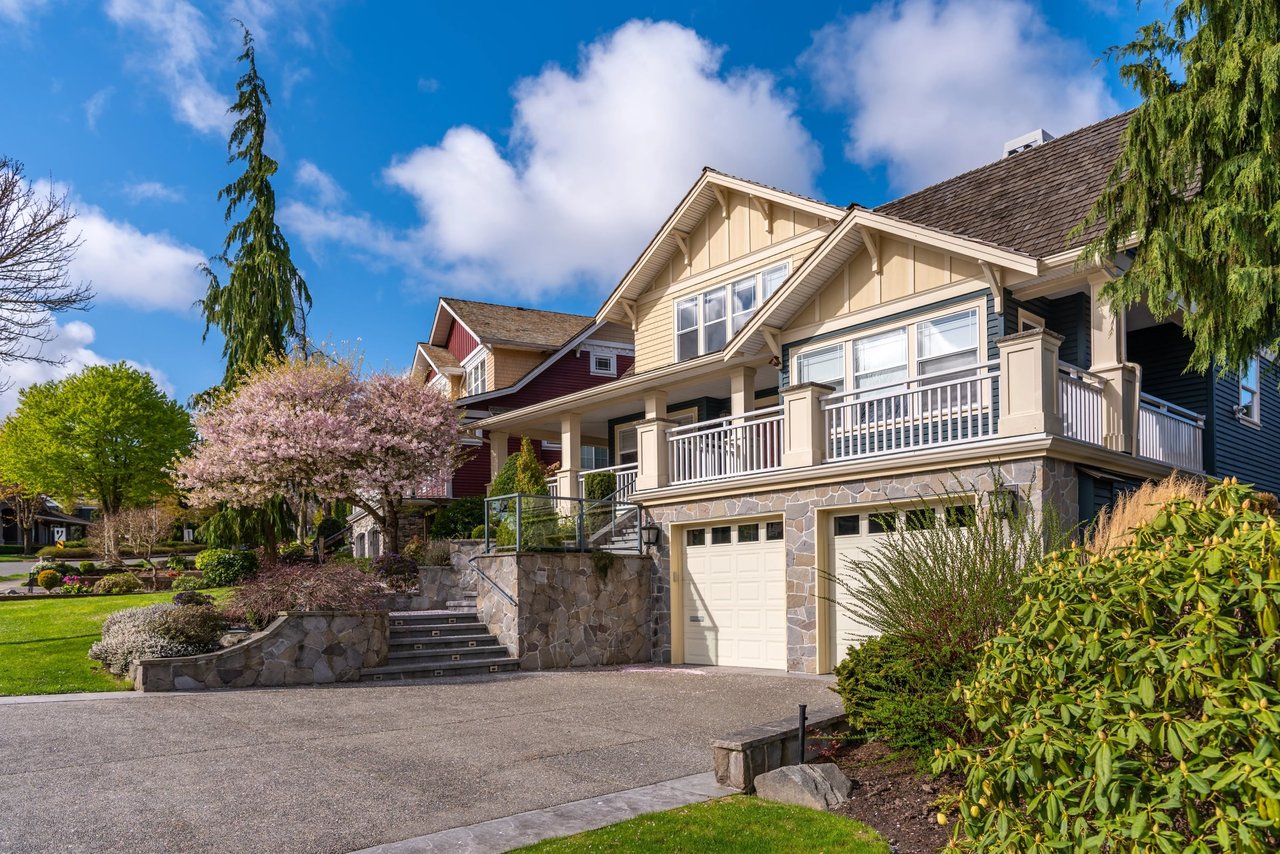
Many Berkeley homes stand out because of details you simply do not see in newer construction. City landmark examples highlight features such as redwood shake siding, wood-frame construction, low-pitched gable roofs, exposed rafters, wood windows, and leaded-glass windows.
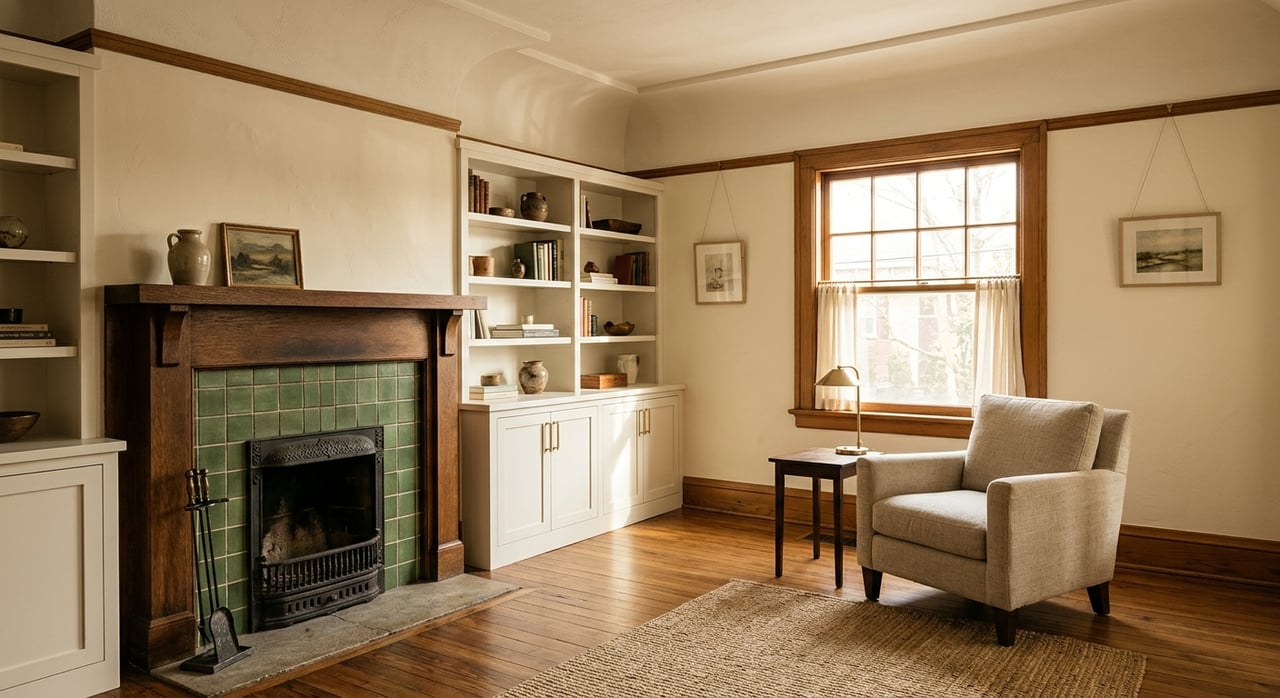
If your home has period details, think of them as assets to reveal, not obstacles to remove. Original trim, wood windows, built-ins, fireplaces, and distinctive exterior materials can help buyers connect emotionally with the property when they are clean, visible, and in good condition.
Focus on Refreshing, Not Erasing
Before you plan major changes, step back and ask what already works. A classic Berkeley home often shows best when its original style is easy to read and its condition feels cared for.
That usually means choosing updates that support the home’s architecture instead of competing with it. Simple paint, repaired finishes, polished hardware, and a lighter staging approach can help period features stand out.
Start With Low-Risk, High-Impact Improvements
For most sellers, the safest place to begin is with basic presentation. The 2025 NAR staging report says decluttering, deep cleaning, and curb appeal are among the most common recommendations sellers receive.
These steps matter because they improve first impressions without creating permit complications or changing the home’s underlying character. They also help buyers focus on space, light, layout, and original details instead of maintenance distractions.
Smart First Steps Before Listing
Consider starting with:
- Decluttering each room so architectural details are easier to see
- Deep cleaning floors, windows, kitchens, and baths
- Touching up worn finishes
- Improving curb appeal with simple landscape cleanup and entry refreshes
- Reducing oversized furniture or heavy decor that hides trim, fireplaces, or windows
Berkeley exempts some finish work from building permits, including painting, papering, tiling, carpeting, cabinets, countertops, and similar finish work. Even so, exempt work still must comply with the California Building Standards Code and local ordinances, and a zoning permit may still be required depending on the project.
Know What Work May Need a Permit
Older homes often tempt sellers to tackle extra repairs right before listing. In Berkeley, that can become risky if you move beyond cosmetic work without checking local requirements.
The city requires building permits for most construction and repair beyond finish work, including alterations to existing structures and to electrical, mechanical, plumbing, and other trades. If you are replacing systems, moving walls, or making more than surface-level changes, permit review should be part of your planning.
Historic Properties Need Extra Review
If your home is a City Landmark, a Structure of Merit, or located in a Historic District, exterior changes may involve another step. Berkeley requires Landmarks Preservation Commission approval of a Structural Alteration Permit before building permit consideration for exterior alterations on designated properties.
That means timing matters. If your prep plan involves exterior updates, windows, siding, roofing, or other visible changes, it is wise to confirm whether your property has a designation before starting work.
Address Common Safety and Disclosure Items
With Berkeley’s older housing stock, buyers often pay close attention to deferred maintenance, safety items, and documentation. Handling these early can help reduce surprises once your home is on the market.
One key issue is lead-based paint. For most homes built before 1978, sellers and agents must disclose known lead-based paint information before sale, provide the EPA pamphlet, include the Lead Warning Statement, and give buyers a 10-day opportunity to conduct an inspection or risk assessment.
Other Upgrade Triggers to Keep in Mind
Berkeley notes that some permitted projects may trigger added safety and compliance items, including:
- Carbon monoxide detectors
- Smoke detectors for projects valued at $1,000 or more
- Gas shut-off valves
- Water-conserving fixtures
- Accessible path requirements
- A private sewer lateral certificate for larger projects
These items do not mean you need to overhaul your home before selling. They do mean that if you choose to take on repair work, it helps to understand the ripple effects before the job starts.
Improve Comfort Without Losing Charm
Some of the best pre-listing upgrades are the ones buyers feel more than they see. In older Berkeley homes, comfort and energy performance can often improve through relatively low-visibility work.
The U.S. Department of Energy recommends sealing air leaks with caulk and weatherstripping, checking insulation levels, servicing HVAC equipment annually, and using LED lighting. It also notes that caulking and weatherstripping often pay back in one year or less, and that older homes frequently have inadequate insulation.
Energy Updates That Fit Older Homes
For many sellers, practical improvements may include:
- Sealing drafts around doors and windows
- Adding or improving insulation where appropriate
- Servicing heating and cooling equipment
- Replacing older bulbs with LED lighting
- Making selective window or glazing improvements where permitted
These changes can make your home feel quieter, more comfortable, and better maintained during showings. They can also support a stronger overall impression without changing the style that gives the home its identity.
Local Programs Worth Knowing About
BayREN’s EASE Home Program is designed to improve comfort, health, and energy efficiency. BayREN says the program covers 80% of essential weatherization upgrades such as insulation and duct sealing, with the resident share capped at 20%.
BayREN also notes that the Home Energy Score California program rates a home on a 1-to-10 scale and provides personalized recommendations, and that a $200 rebate may be available for obtaining a score. For some Berkeley sellers, these tools can help frame practical improvements in a clear, buyer-friendly way.
Consider Fire-Resistant Upgrades in Higher-Risk Areas
For hill properties and other higher-risk locations, resilience can be part of smart seller prep. Berkeley’s 2026 wildfire guidance says changes to vents, windows, roofs, and eaves can reduce wildfire intrusion.
The city specifically highlights dual-pane tempered windows, metal mesh for vents and gutters, and fire-resistant roofs. Berkeley also says some owners may qualify for rebates when making physical fire-risk reduction upgrades.
If your home is in an area where wildfire hardening is part of buyer concerns, these improvements may support both safety and marketability. As with any exterior change, confirm local review requirements before moving forward.
Stage the Home Around Its Best Features
Once repairs and refreshes are handled, staging and marketing become the final layer. The 2025 NAR staging report found that 83% of buyers’ agents said staging made it easier for buyers to envision the home, 29% said staging led to a 1% to 10% increase in offered value, and 49% of sellers’ agents said staged homes sold faster.
For a classic Berkeley home, staging works best when it supports the architecture. Buyers should be able to see the windows, trim, fireplace, built-ins, and room proportions without visual clutter getting in the way.
Prioritize the Rooms Buyers Notice Most
NAR identified the living room, primary bedroom, and kitchen as the rooms that matter most for staging. In an older Berkeley home, that often means keeping these spaces simple, bright, and easy to navigate.
A good setup may use fewer pieces, lighter styling, and layouts that show flow instead of filling every corner. The goal is to help buyers imagine daily life in the home while still appreciating the details that make it special.
Photos Matter as Much as the Room Itself
NAR also found that buyers’ agents rated photos, physical staging, videos, and virtual tours as highly important. That means your in-person prep should also be camera-ready.
Clean sightlines, open window areas, tidy surfaces, and balanced furnishings all improve how a home reads online. For many listings, the marketing story starts with the first image a buyer sees.
A Practical Berkeley Seller Checklist
If you are getting ready to list, this simple sequence can help:
- Identify the original features worth highlighting.
- Declutter, deep clean, and improve curb appeal.
- Separate cosmetic fixes from repair work that may need permits.
- Check whether historic designation affects exterior plans.
- Gather required lead-paint disclosures if the home was built before 1978.
- Consider low-visibility comfort upgrades like weatherstripping, insulation, or HVAC service.
- Stage key rooms so character details are easy to see.
- Use strong photography and marketing that match the home’s style.
The right prep plan is rarely about doing everything. It is about doing the work that adds clarity, confidence, and appeal for today’s buyer.
In Berkeley, that often means respecting the home’s history while making sure it feels clean, functional, and well cared for. When you strike that balance, your home can stand out for the right reasons.
If you are thinking about selling a classic Berkeley home, David R Valva can help you decide which updates are worth doing, which details to preserve, and how to position your home for today’s East Bay buyer.
FAQs
What updates are worth doing before listing a Berkeley home?
- In many Berkeley homes, the best first updates are decluttering, deep cleaning, curb appeal improvements, and small finish refreshes that make the home feel well maintained without removing original character.
What home projects need a Berkeley permit before listing?
- Berkeley generally requires permits for most construction and repair beyond cosmetic finish work, including alterations to existing structures and to electrical, plumbing, mechanical, and other trade work.
How do historic rules affect exterior changes in Berkeley?
- If a property is a City Landmark, Structure of Merit, or in a Historic District, exterior alterations require Landmarks Preservation Commission approval of a Structural Alteration Permit before building permit consideration.
What lead-paint disclosures apply to older Berkeley homes?
- For most homes built before 1978, sellers and agents must disclose known lead-based paint information, provide the required pamphlet, include the Lead Warning Statement, and give buyers a 10-day opportunity to conduct an inspection or risk assessment.
How can you improve energy efficiency in a classic Berkeley home?
- Common options include sealing air leaks, adding weatherstripping, checking insulation, servicing HVAC equipment, and switching to LED lighting so you can improve comfort without changing the home’s period style.
What rooms should you stage first in a Berkeley character home?
- The living room, primary bedroom, and kitchen are the top staging priorities, and in a Berkeley character home they should be arranged so buyers can clearly see original windows, trim, fireplaces, and room flow.