What if you could skip traffic, still hit your favorite cafes, and get across the Bay without circling for parking? If you’re weighing a move in Oakland or rethinking your commute, a car-light lifestyle might be exactly what you want. In this guide, you’ll learn where car-light living works best, how to combine BART, AC Transit, ferries, and bikes, and what to look for in a home or rental to make it all practical. Let’s dive in.
Why go car-light in Oakland
Oakland gives you real choices for getting around. In many central neighborhoods, you can walk to groceries, hop on BART to San Francisco, or grab a bus to nearby errands. Bike-share and personal bikes fill the gaps.
You will still plan for occasional car trips, but many daily needs are covered when you live near a transit hub and a lively commercial corridor. The key is picking the right neighborhood and the right building features for how you live.
Oakland transit overview
BART
BART is your fastest regional link to San Francisco, Berkeley, and the East Bay. Stations in central Oakland put you close to frequent service during peak periods. Remember that BART is not a door-to-door circulator, so most homes work best within about a half to one mile walk or a short bike ride of a station.
AC Transit
AC Transit covers local trips across Oakland and runs Transbay buses into San Francisco. Many commercial corridors have solid coverage. Frequency and reliability can vary by route and time of day, so evening and weekend planning helps.
San Francisco Bay Ferry
From Jack London Square and nearby Alameda terminals, ferries offer a comfortable ride to the Ferry Building area. Schedules are more limited than rail or bus, but for some commuters the ferry is a pleasant, direct option.
Bikes and Bay Wheels
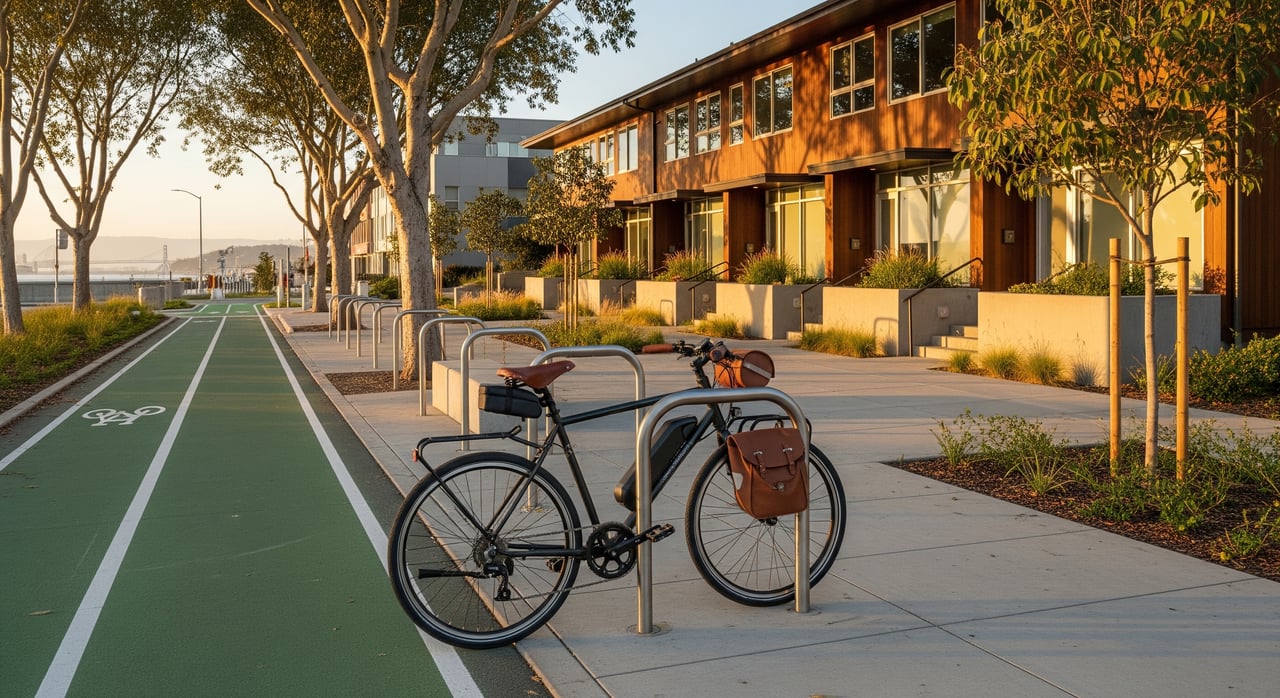
Bikes make short trips and first or last mile connections simple. You’ll find a mix of painted lanes, some protected segments, neighborhood greenways, and multiuse paths near the waterfront and Lake Merritt. Oakland’s hills can be steep, so an e-bike expands your realistic range and keeps rides comfortable.
Carshare and rideshare
For furniture runs, weekend trips, or late-night errands, carshare and rideshare are practical backups. Many car-light residents mix memberships, occasional rentals, and ride-hailing with transit and biking.
Best neighborhoods for car-light living
Oakland has distinct hubs where car-light living is easiest. Each offers different strengths and tradeoffs.
Downtown, Uptown, and Jack London
You get strong access to multiple BART stations, extensive bus service, and the ferry at Jack London Square. Walkability is high with dense retail, parks, and groceries nearby. Urban bike lanes and short first or last mile trips make biking practical.
Tradeoffs include higher housing costs in popular buildings and busier, livelier streets. Parking can be tight if you keep a car.
Lake Merritt, Grand Lake, and Adams Point
Near the lake, you’ll find frequent buses, the Lake Merritt BART station, and an easy walk to cafes, groceries, and parks. The lake loop is a great biking and jogging route, and nearby streets support everyday rides.
This area stays in high demand, and some stretches eastward have moderate hills. Expect competition for standout units.
Rockridge, Piedmont Avenue, and Temescal
Rockridge and MacArthur BART stations anchor the area, with walkable commercial corridors full of restaurants and services. Many errands can stay within a short walk or casual bike ride.
Hills rise toward Rockridge and Piedmont, so an e-bike helps keep routes comfortable. Streets can be narrow with traffic in some sections.
Fruitvale
Fruitvale BART and strong bus coverage support a practical car-light routine. The commercial core on and around International Boulevard has groceries and daily services.
Biking options exist, though some arterials feel busy. Infrastructure quality varies block to block, so test routes before you commit.
West Oakland
West Oakland BART provides one of the fastest hops into San Francisco. Certain corridors are walkable, and bike access to central Oakland is improving, especially near the waterfront.
The area includes a mix of residential and industrial land. Experiences can vary by block, so focus on proximity to your key stops and comfort on your routes.
Hills and outer East Oakland
If you’re looking in Montclair, Upper Rockridge, or farther east, you’ll likely rely more on a car. Transit is less frequent and distances to shops are longer.
Hilly terrain and fewer low-stress bike routes add time to daily trips. You gain more house and yard options, but a car-light setup becomes harder.
How to choose a car-light home
Use this quick checklist when you tour homes or rentals:
- Transit proximity: You can walk to a BART station or a frequent bus stop without rushing. If it is a longer distance, a flat bike route or reliable bike storage makes it doable.
- Daily errands: A grocery, pharmacy, coffee, and a park are an easy walk. If not, is there a direct bus or bike-friendly street to each?
- Bike storage: Look for secure indoor storage, a dedicated bike room, or in-unit space. Ask about elevator access and whether e-bikes are allowed.
- Deliveries and access: Package lockers, a safe lobby, and a place for ride-hail pickup make life easier.
- Occasional car access: Check nearby carshare availability, on-street permits, and weekend rental options.
Try a 10-minute mobility test. On a weekday evening, walk the route to your nearest transit and your go-to grocery. On a weekend morning, bike to two errands and back. You will quickly sense if the location fits your routine.
Daily life without a car
Groceries and errands
In walkable hubs, you can handle most errands on foot or by bike. For bigger hauls, plan a carshare, delivery, or curbside pickup. Keeping a cargo bike or a simple pannier bag can turn weekly shopping into a quick ride.
Kids and family logistics
Car-light families often choose neighborhoods with parks, childcare, and services within walking distance. For multiple pickups and activities, many households keep occasional car access through sharing or a part-time vehicle.
Storage and building amenities
Secure bike rooms, indoor racks, and reliable package delivery save time and stress. If you use a stroller or mobility device, check for elevators, wide hallways, and step-free entries during your tour.
Safety, accessibility, and comfort
Sidewalks, crosswalks, lighting, and bus stop features vary by block. Review routes during the day and at dusk. For older adults and people with disabilities, confirm curb cuts, ramp reliability, and access to priority seating or paratransit options before moving plans forward.
Biking and walking tips
- Start on low-stress routes. Neighborhood greenways, lakefront paths, and protected segments help you build confidence.
- Consider an e-bike. Hills and longer distances become practical, and you arrive ready for work or dinner.
- Mind tricky intersections. If a crossing feels uncomfortable, try a parallel street or combine a short bus hop with your ride.
- Lock smart. Use a quality U-lock and a secondary cable for wheels. Ask the building manager about secure storage options.
Tradeoffs and near-term trends
Living near transit and active commercial streets often means higher housing costs or smaller floor plans. Many car-light residents still plan for occasional car trips. That is normal and easy to manage with the right memberships and storage.
City and regional agencies are working to expand bike lanes, improve bus reliability, and implement transit-priority projects. Progress is steady but incremental. Expect improvements over time, but make today’s routes and schedules your baseline when choosing a home.
How we can help
You do not have to figure this out alone. You can lean on an advisor who knows the block-by-block realities of Oakland and how they match your lifestyle.
Here is how we support car-light buyers, renters, and owners:
- Neighborhood matchmaking: We align your daily routines with the right BART stations, bus corridors, and commercial hubs.
- Smart touring: We schedule showings around peak transit times and test walk and bike routes with you.
- Building due diligence: We verify bike storage, delivery access, and parking or carshare options before you commit.
- Family and investor know-how: We help balance school access, park proximity, and long-term value, including leasing and property management if you need it.
Ready to explore car-light living in Oakland, or curious what your current home is worth? Reach out to David R Valva to schedule a neighborhood consult. Get your free Oakland home valuation.
FAQs
Can I live car-free in Oakland if I work in San Francisco?
- Yes in many central neighborhoods near BART, the ferry, or reliable Transbay buses. Your commute time depends on your nearest station or terminal and your schedule.
Which Oakland neighborhoods are most walkable and transit-friendly?
- Downtown, Uptown, Jack London, Lake Merritt, Grand Lake, Rockridge, Temescal, Fruitvale, and parts of West Oakland often offer the best mix of walkability and transit access.
Is daily bike commuting realistic in Oakland’s hills?
- Yes in flatter areas and with an e-bike for hilly routes. Test specific streets for traffic stress and look for protected or low-traffic options where possible.
What should I look for in a condo or apartment for car-light living?
- Proximity to a BART station or frequent bus line, a grocery within walking distance, secure bike storage, package lockers, and convenient ride-hail or carshare access.
How do families manage school and activities without a car in Oakland?
- Many choose neighborhoods with parks and services within an easy walk and keep occasional car access for multi-stop days through carshare, rentals, or a part-time vehicle.
Are ferries a viable alternative to BART for San Francisco commutes?
- Yes for some routines, especially from Jack London Square or nearby Alameda terminals. Schedules are more limited than rail or bus, so confirm times that match your workday.