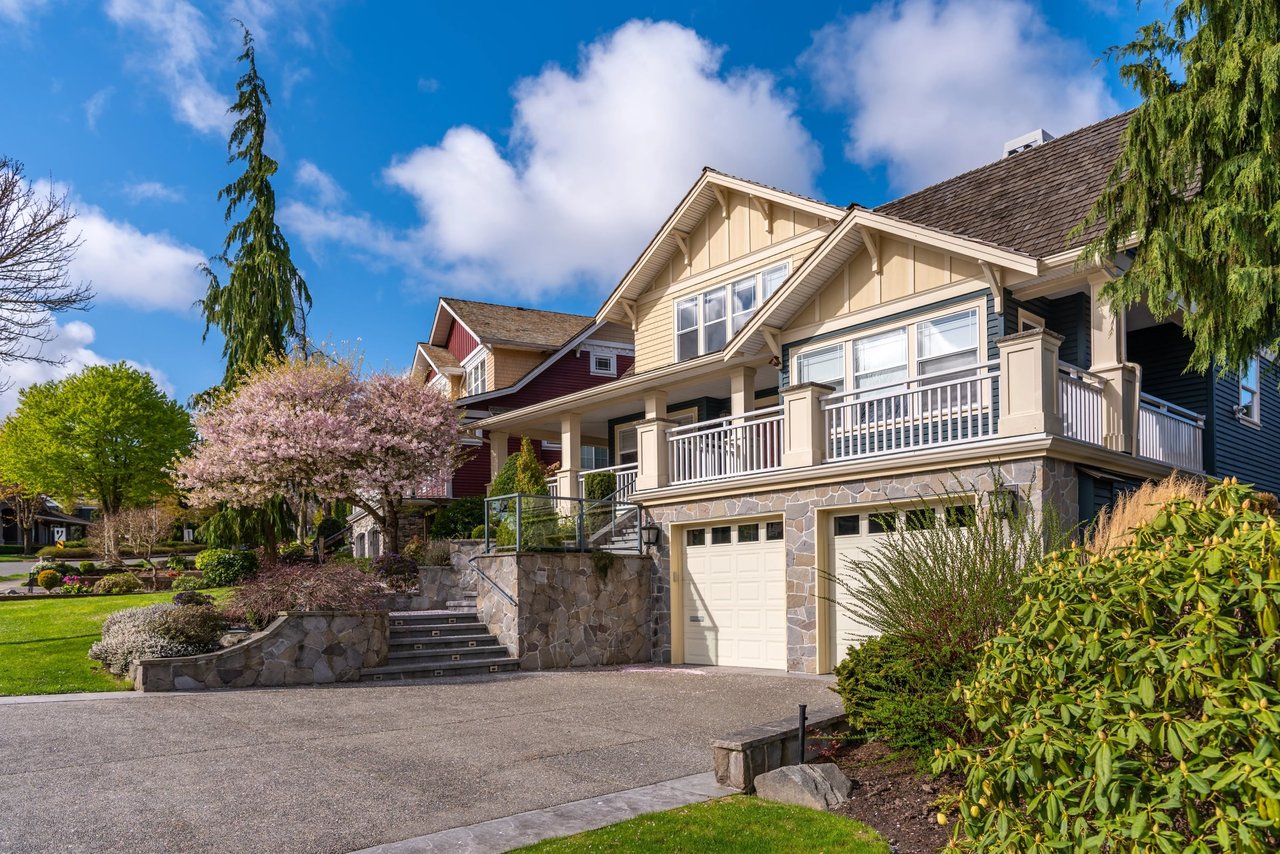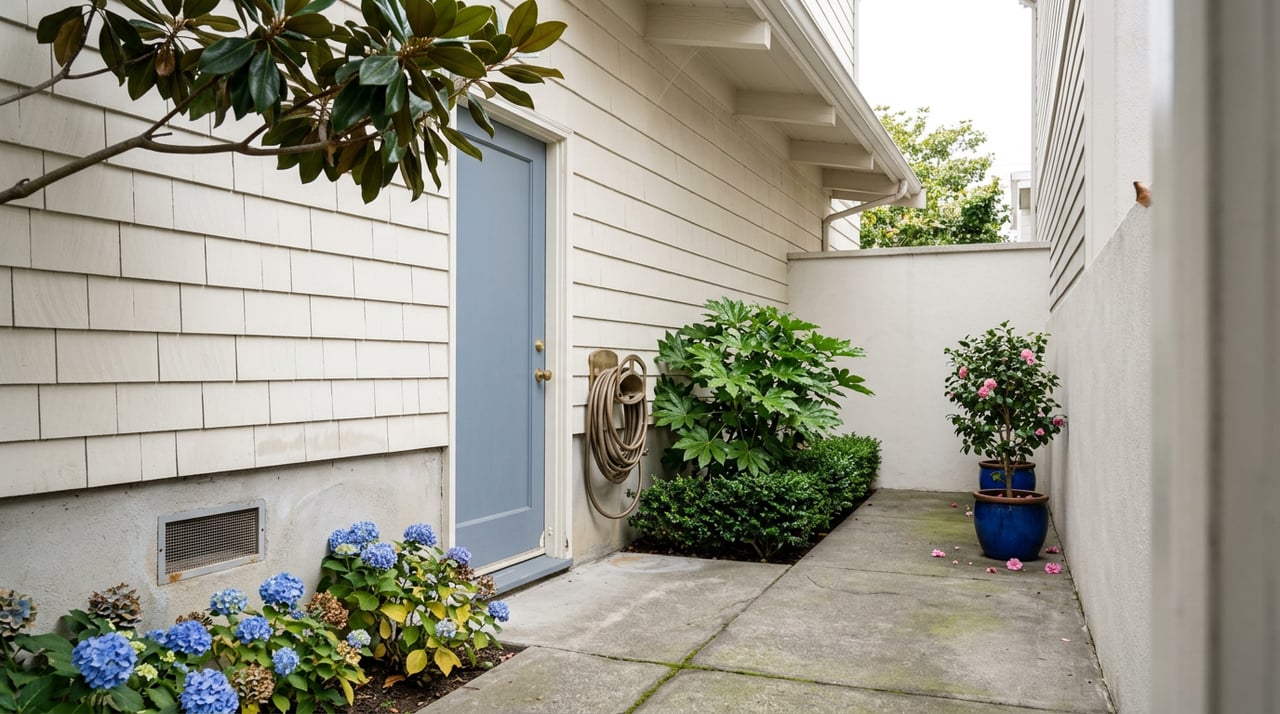
A well-priced Gold Coast or West End listing does not sit long in this market. Quick contracts, buyers moving with confidence, sellers holding the leverage.
None of that speed matters if the pipe under your side yard fails a pressure test in week three of escrow, or if the buyer's insurance broker discovers your attic still has cloth-wrapped wiring running to a knob-and-tube junction box. Those two things, a sewer lateral compliance certificate and a home's electrical system, sit outside the comps and outside the inspection report most buyers expect. They are municipal and underwriting requirements, not condition items, and they are the two most common reasons an Alameda closing date slips.
The Certificate That Has Nothing to Do With Your Home Inspector
Every property sale in Alameda's private sewer lateral service area triggers a requirement most sellers have never heard of until their agent brings it up: a Compliance Certificate from the East Bay Regional Private Sewer Lateral Program, confirming the pipe connecting your home to the public sewer main is free of leaks. No certificate, no title transfer. The program exists because the EPA and the California Regional Water Quality Control Board ordered EBMUD and the East Bay cities in 2009 to stop old, cracked residential sewer pipes from letting rainwater flood the treatment system and, eventually, the Bay.
Here is the detail that actually matters for an Alameda seller: in most East Bay cities under this program, the homeowner is on the hook for the entire lateral, from the house to the public main. Alameda and Albany are the two exceptions. In these two cities, responsibility ends at the property line or curbside cleanout, meaning only the upper lateral needs to pass. That is a genuinely narrower scope of work than what an Oakland or Emeryville seller faces on the same program, and it can mean a shorter, cheaper repair if there is a problem.
Narrower does not mean fast, though, and a market where homes routinely go under contract in about five days has no slack built in for a failed test. If your lateral cannot pass before closing, the workaround is a Time Extension Certificate, which buys the responsible party 180 days after close, but only after a $4,500 refundable deposit is posted with EBMUD. The deposit comes back once the work is done and the district signs off, not before.
| Path | What it involves | What it typically costs | How long it holds |
|---|---|---|---|
| Compliance Certificate, pass on first test | EBMUD-witnessed pressure or water test of the upper lateral only | Test itself typically runs $300 to $750 across the Bay Area | 7 years |
| Compliance Certificate, after repair or replacement | Contractor repair or full replacement, permits, then re-test | Full Bay Area lateral replacement typically runs $8,000 to $18,000 | 20 years |
| Time Extension Certificate | Escrow closes without a passed test | $4,500 refundable deposit, returned when compliance is met | 180 days, single title transfer only |
The certificate math changes depending on when a seller finds out about it. Test the lateral before you list and a failed result becomes a line item in your pricing conversation. Discover it during escrow and it becomes a negotiation under deadline pressure, with a buyer's lender watching the calendar. Condominiums are the one carve-out worth knowing: the certificate requirement does not attach to individual condo units the same way it does to a single-family lot, though HOA-owned common areas can carry their own compliance obligations.
The Wiring Question That Surfaces After the Offer, Not Before It
Alameda carries one of the largest concentrations of Victorian and Craftsman housing stock in California, clustered most densely in the Gold Coast, the West End, and Fernside. That density is a large part of what makes those blocks desirable. It is also why so many of those same homes still have knob-and-tube wiring behind the plaster, installed before grounding was standard practice and never fully swapped out.
The friction here does not show up at the home inspection. It shows up when the buyer applies for homeowners insurance, which their lender requires before the loan can fund. Standard admitted carriers, the State Farms and Farmers of the world, generally will not issue a new policy on a home with active knob-and-tube wiring still in place. Bay Area homeowners are increasingly being denied or dropped from coverage specifically for this reason, and without an insurance binder in hand, the lender will not approve the mortgage.
That does not mean the sale collapses. It means the buyer's options narrow to the California FAIR Plan, which only covers fire and requires a separate Difference in Conditions policy for everything else, or a surplus lines carrier willing to write the risk at two to three times a standard premium with a higher deductible and a contractual deadline to complete the rewire. None of those paths are instant, and all of them can add days to a closing that a fast-moving Alameda buyer did not budget for.
No binder, no funding. That is the chain reaction a buyer's insurance search can set off in the middle of your escrow.
Rewiring a home ahead of listing typically runs $5,000 to $10,000 or more depending on size and layout, and Alameda adds one more wrinkle worth knowing before you hire a contractor. The city runs its own municipal electric utility, Alameda Municipal Power, separate from PG&E. Panel upgrades and meter coordination go through AMP and the City of Alameda Building Division, and a contractor who only knows PG&E's process on the mainland side of the estuary can lose real time figuring out the island's version of the same paperwork.
What This Means Across Alameda's Price Tiers
The wiring and lateral exposure is not evenly spread across the island, and neither is the market's patience for delay.
First-quarter 2026 sales data show the Gold Coast moved only five single-family homes, averaging $1.825 million at $849 a square foot, with the typical home under contract in about five days. One off-market Gold Coast sale that quarter closed at $3.5 million, well above neighborhood comps. That is not a market that tolerates a paused escrow while a seller scrambles to schedule a rewire.
The West End tells a split story worth sitting with. Newer construction there averaged $1.64 million in the same quarter, selling about 13 percent over list in roughly 17 days, a pace and premium distinct from the West End's vintage housing stock, which is where the Victorian wiring and older clay laterals concentrate. South Shore moved more slowly, four single-family sales averaging just over $1.4 million, closer to list price, with an average of 36 days on market. That slower pace actually buys a seller more room to resolve a lateral or wiring issue before an offer ever comes in, rather than during it.
The pattern holds across the island: the faster and more competitive the segment, the less room there is to discover a certificate problem mid-transaction, and the more it pays to solve it before the sign goes in the yard.
Before You List: A Two-Certificate Checklist
- Confirm your property's compliance status on the EBMUD PSL lookup tool before you schedule photography, not after you're in escrow.
- If your lateral has never been tested, or the certificate on file is nearing its 7-year expiration, book the test now while you still control the timeline.
- Pull two prong outlets or original wall sconces and take a look at the wiring behind the cover plate. Cloth insulation and no third ground wire is the visible sign of knob-and-tube.
- Call your own insurance agent before listing to ask directly whether your policy, or a buyer's likely policy, would be affected by the home's current wiring.
- If a rewire is coming either way, get a bid from a contractor who has worked with Alameda Municipal Power specifically, not just PG&E.
The Payoff for Getting Ahead of Both
None of this changes what your home is worth. A Gold Coast Victorian with original detailing still commands its premium, and a well-priced West End home still draws multiple offers. What these two requirements change is whether that value gets captured on the timeline the market is currently rewarding, or whether it gets renegotiated downward in week three of escrow when a buyer's lender puts a hold on funding.
Sellers who test the lateral and check the wiring before listing turn two potential surprises into two known facts they can price around or repair on their own schedule. Sellers who wait find out the hard way that a fast market and a stalled closing table do not coexist well.
FAQ
Does the sewer lateral certificate apply if I inherited the house? Direct family transfers, including parent to child and spouse to spouse, along with fiduciary and estate transfers, are exempt from the point-of-sale trigger. Once that inherited home is sold to a buyer outside the family, the same compliance rules apply as any other transaction.
Can I sell a home in Alameda with knob-and-tube still in the walls? Yes, the wiring itself does not block a sale. It can block the buyer's ability to get a standard insurance policy, which their lender requires before funding. Disclosing it early and pricing it into the conversation avoids a late-escrow scramble for FAIR Plan or surplus lines coverage.
How is Alameda's sewer lateral rule different from Oakland's? Alameda and Albany are the two cities in the EBMUD-coordinated program where only the upper lateral, from the house to the property line, needs to pass. Oakland, Emeryville, and most of the other participating cities require the full lateral, upper and lower, all the way to the public main.
If you are weighing a sale on Alameda's Gold Coast, in a West End Victorian, or anywhere else on the island, a conversation before you list is worth more than one after an offer is already on the table. David R Valva has spent decades working these streets and can walk through your specific property's lateral history and wiring exposure alongside a straightforward valuation, so you know exactly what you are working with before the first showing.