Wondering what daily life really feels like in Alameda’s East End? If you are looking beyond listing photos and want to understand the rhythm of a neighborhood, East End stands out for its historic homes, practical commute options, shoreline setting, and easy access to parks and errands. This guide walks you through what you can expect from the area so you can decide whether it fits the way you want to live. Let’s dive in.
East End Has a Historic Feel
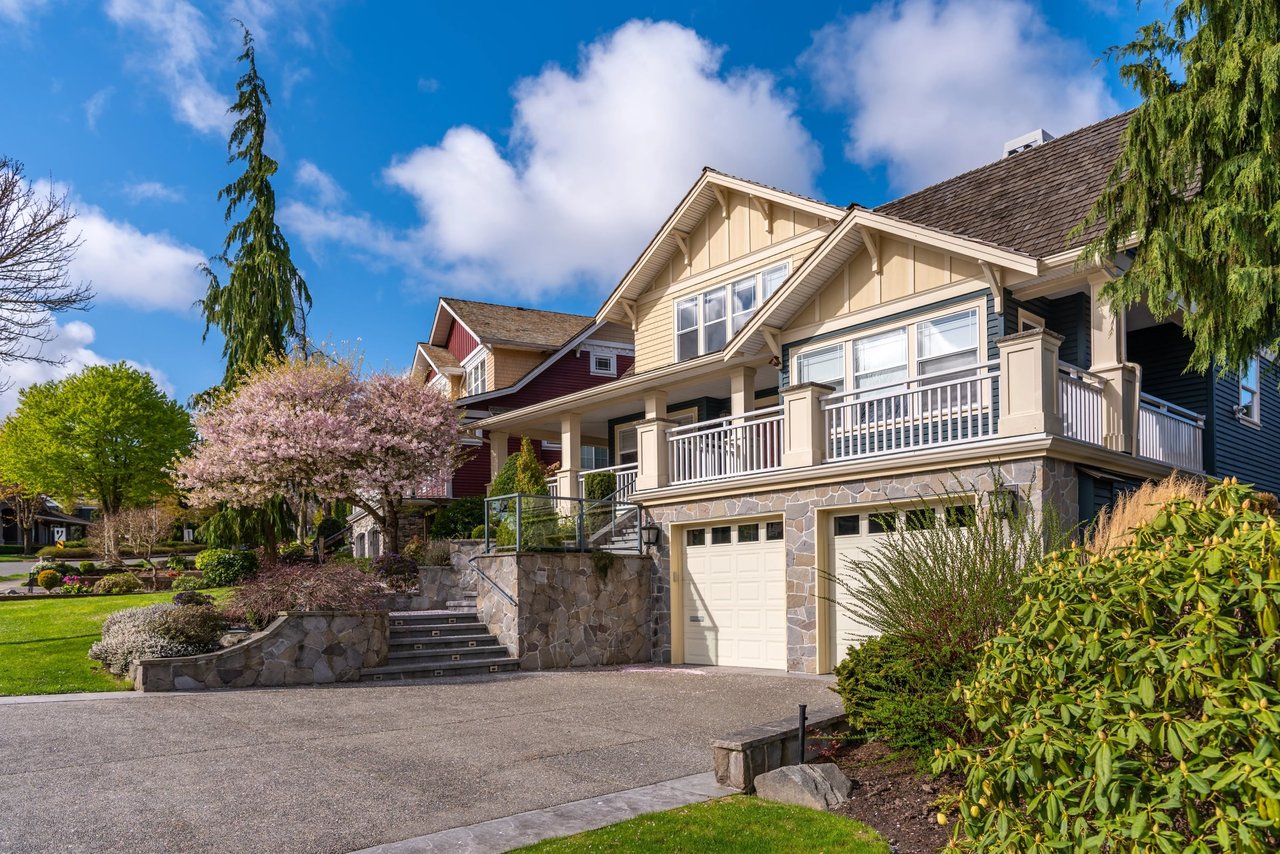
One of the first things you may notice about Alameda’s East End is its sense of history. Alameda has more than 10,000 buildings constructed before 1930, and the city identifies styles like Victorian, Edwardian, Colonial Revival, Craftsman, Spanish, and Period Revival as key historic resources.
That helps explain why East End can feel visually consistent even when the homes are not all the same style. The city’s residential design guidance also focuses on preserving original character and making newer work fit the surrounding context, which supports the neighborhood’s cohesive look.
Older Homes Shape The Streetscape
If you enjoy blocks with architectural variety and established character, East End offers plenty to notice. Along Park Street, city documents describe a mix that ranges from late-19th-century Victorian and Edwardian buildings to 1920s and newer structures.
As you move around the area, that layering of old and newer buildings gives the neighborhood a lived-in, established feel rather than a master-planned look. For many buyers, that is a major part of East End’s appeal.
Historic Rules Matter For Owners
Older housing can also come with added responsibility. In Alameda, some work on historic properties requires extra review, including a Certificate of Approval for certain alterations or demolition involving pre-1942 structures.
If you are considering a home in East End, it helps to understand that updates may involve more than design preferences and contractor bids. The age and status of the property can affect what changes are reviewed by the city.
Parks And Shoreline Support Daily Routines
East End is not only about architecture. The neighborhood also offers access to waterfront areas, local parks, and recreation spaces that can shape your day-to-day routine.
The city describes the East End and Tidal Canal shoreline as a waterfront residential community with mixed-use and industrial parcels along the estuary. That setting gives parts of the area a distinct relationship to the water, which can add both scenic value and practical considerations.
Waterfront Access Is Part Of The Lifestyle
City planning documents identify public shoreline access at Liberty and Central. They also point to Bay Trail opportunities near Park Street Landing, the Aeolian Yacht Club, and the Fruitvale Bridge.
For residents who like to walk, bike, or spend time near the shoreline, that can be a meaningful part of everyday life. You are not just living near the water in theory. In some parts of East End, shoreline access is built into the neighborhood pattern.
Parks Are Close At Hand
Several neighborhood-scale parks and recreation sites are nearby. Chochenyo Park is at Park Avenue and Encinal Avenue, and Lincoln Park is at High Street and Santa Clara Avenue.
Washington Park at 8th Street offers playgrounds, fields, a dog park, tennis courts, and a recreation center. Krusi Park at Otis Drive includes fields, tennis courts, a stage, a playground, and a recreation center.
That variety makes it easier to build outdoor time into your regular schedule. Whether you want a quick park visit, a place to play tennis, or a larger recreation setting, East End gives you options nearby.
Commuting From East End Is Practical
For many buyers, lifestyle only works if the commute works too. Transportation is one of East End’s strongest practical features, especially if you want multiple ways to get around.
The city says Alameda has bus and ferry service to Oakland and San Francisco, sidewalks on almost all streets, and bikeways across town. Alameda does not have its own BART station, but three nearby stations in Oakland are connected by AC Transit service.
Ferry Service Adds Flexibility
If you commute across the Bay, ferry access may be a major plus. Main Street ferry service reaches Jack London Square, downtown San Francisco, and South San Francisco.
Seaplane Lagoon also offers direct weekday commute service to downtown San Francisco. Depending on your work pattern, those options can provide an alternative to relying only on driving.
Park Street Connects The Area
Park Street is a 1.5-mile AC Transit major corridor, and the city’s current transit-signal project serves lines 30 and 31. That reinforces Park Street’s role as more than a shopping district.
It is also a key transportation spine for the East End. If you value a neighborhood where errands and transit overlap, that kind of corridor can make daily routines simpler.
Park Street Anchors Errands And Dining
Most neighborhoods have a place that acts as their everyday center. In East End, Park Street plays that role.
The city says the Downtown Alameda Business Association supports businesses in the Historic Park Street Business Improvement Area. Its market page describes Park Street as a 356,000-square-foot historic main street district with a restored art deco movie palace and a vibrant evening scene.
Everyday Errands Feel Accessible
Park Street gives East End a commercial core that is active without feeling overbuilt. The city’s Commercial Streets program added parklets and two-lane roadway configurations with left-turn pockets, supporting outdoor dining and retail activity along the corridor.
For residents, that means many daily stops can happen in one area. Grabbing a meal, running errands, or spending time in the district can feel integrated into normal neighborhood life.
Parking And Civic Amenities Are Nearby
If you are driving into the district, the Civic Center Parking Garage sits one block from Park Street. It has 341 spaces, EV charging, bike parking, and is within a 10-minute walk of nearly all Park Street businesses.
The area also puts civic resources close to home. The Alameda Free Library’s main branch is at Santa Clara and Oak, another branch is at 788 Santa Clara Avenue, and Mastick Senior Center at 1155 Santa Clara Avenue offers programs and services for adults 50 and older.
Flood Planning Is A Real Consideration
Waterfront living can be appealing, but in East End it also comes with planning realities. The city identifies the East End shoreline as one of Alameda’s more flood-sensitive areas.
According to city planning materials, the shoreline is relatively sheltered from wave hazards, but much of the area is low-lying. King tides already affect the area several times a year, and the city’s planning scenario estimates that 340 residential buildings could be exposed in a severe storm.
What That Means For Buyers
This does not automatically rule out the area for a buyer. It does mean you should go in with a clear understanding of the location, the specific property, and how shoreline conditions may factor into long-term ownership.
In practical terms, East End offers a strong lifestyle package, but part of smart buying here is balancing charm and convenience with flood-resilience awareness. That kind of neighborhood context matters just as much as square footage or finishes.
Who East End May Fit Best
East End may appeal to you if you want an older Alameda setting with neighborhood scale, established architecture, and practical access to parks, transit, and day-to-day services. It is especially compelling if you like the idea of walkable errands and a lively main street without a heavily built-up environment.
At the same time, it helps to be comfortable with the tradeoffs that often come with older housing stock. Depending on the block and property, that may include historic review considerations, corridor traffic near Park Street, and the realities of shoreline planning.
If you are comparing Alameda neighborhoods, East End stands out as a place where history, function, and location come together in a very specific way. That mix is exactly why local guidance matters when you are deciding whether a home and neighborhood are the right fit.
If you want help evaluating Alameda neighborhoods, historic homes, or the practical tradeoffs that come with different East Bay locations, David R Valva can help you make a confident, well-informed move.
FAQs
What is everyday life like in Alameda’s East End?
- Everyday life in Alameda’s East End often centers on historic residential streets, access to Park Street errands and dining, nearby parks, and practical bus and ferry connections.
What types of homes are common in Alameda’s East End?
- Alameda’s East End is in one of the city’s older built-up areas, with housing and buildings that reflect styles such as Victorian, Edwardian, Colonial Revival, Craftsman, Spanish, and other Period Revival architecture.
Is Alameda’s East End good for commuting?
- East End offers several commuting advantages, including AC Transit service, nearby connections to Oakland BART stations, and ferry routes serving Jack London Square, downtown San Francisco, and South San Francisco.
What parks are near Alameda’s East End?
- Nearby parks and recreation areas include Chochenyo Park, Lincoln Park, Washington Park, and Krusi Park, with amenities such as playgrounds, fields, tennis courts, dog park access, and recreation centers.
What should buyers know about flooding in Alameda’s East End?
- City planning documents identify parts of the East End shoreline as low-lying and flood-sensitive, with king tides already affecting the area several times a year and some residential buildings potentially exposed during a severe storm scenario.