Thinking about buying a historic home in Alameda? You are not alone. Alameda’s older homes offer charm, craftsmanship, and a strong sense of place, but they also come with a different set of questions than a newer property. If you know what to look for before you buy, you can move forward with more confidence and fewer surprises. Let’s dive in.
Why Alameda Historic Homes Stand Out
Alameda has an unusually large number of older homes. The city reports more than 10,000 buildings were constructed before 1930, and it has had a Historic Preservation Ordinance in place since 1975.
That matters because historic housing is a major part of Alameda’s identity, not a small niche. As a buyer, you may be looking at a home that falls within a local preservation system that includes Historic Monuments, the Historical Buildings Study List, historic districts, historic signs, and protected trees.
Before you fall in love with paint colors or built-ins, it helps to confirm whether a property has a historic designation. Alameda allows buyers to check this through the city’s GIS resources, which can give you an early sense of what rules or review processes may apply.
What “Historic” Can Mean in Alameda
In Alameda, historic status can affect what you are allowed to change. The city says a Certificate of Approval may be required for work on Historic Monuments, contributing structures in historic districts, and for demolition or major remodeling work on pre-1942 structures.
That means your plans for a kitchen expansion, exterior remodel, or second-story addition may involve more review than you expect. If a home was built before 1942, or if it appears on the Study List, the property may also be subject to the State Historical Building Code.
For some buyers, that is a benefit as much as a responsibility. The city notes that the State Historical Building Code can provide alternative compliance paths, and qualifying buildings are exempt from Title 24 energy-code requirements.
Start With the Home’s Status
Before you write an offer, it is smart to verify a few basics:
- Year built
- Whether the home is on a historic list or study list
- Whether it is in a historic district
- Whether prior additions or exterior work appear to have been permitted
- Whether planned future work may require a Certificate of Approval
Alameda also offers a Permit History Request. That can be useful if you want to understand what work was officially documented before deciding how much renovation you want to take on.
Common Alameda Architectural Styles
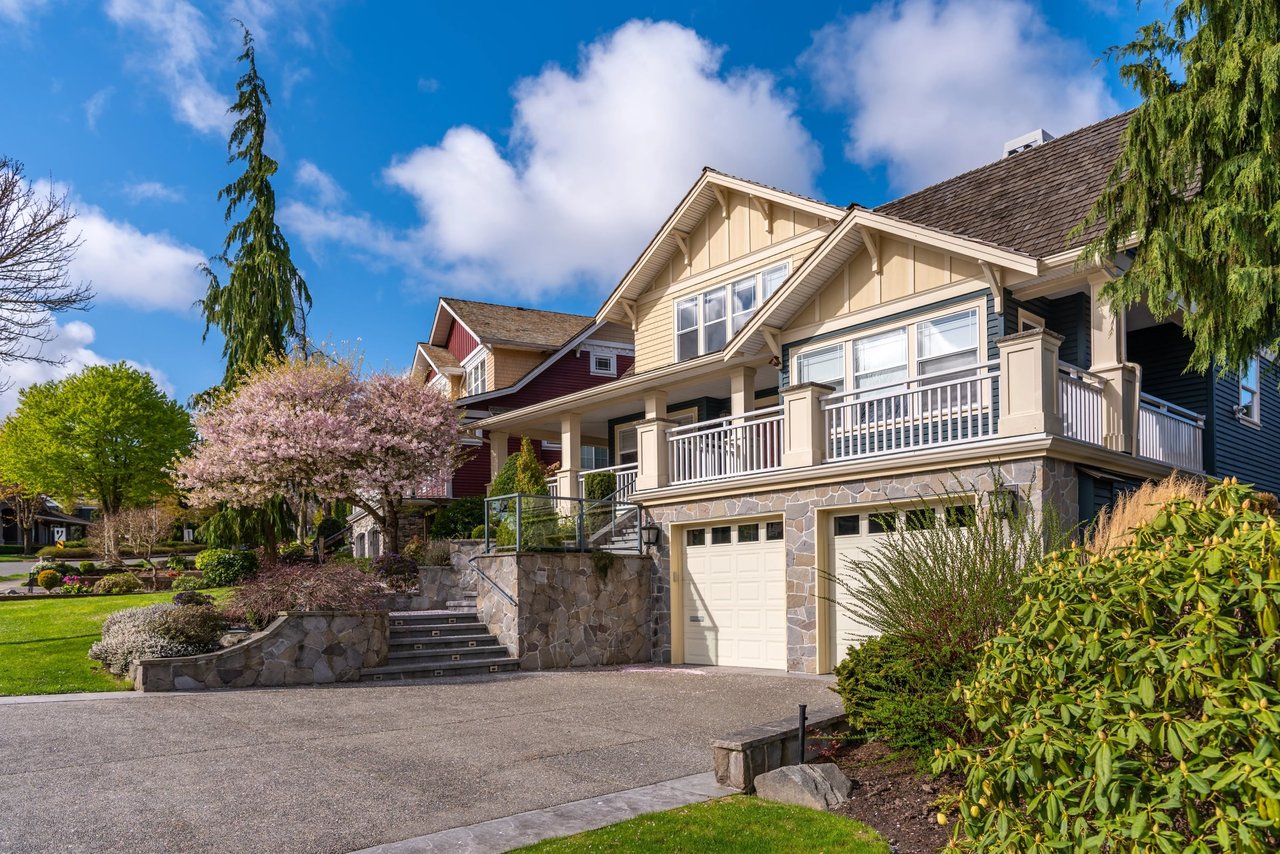
Alameda’s older housing stock is varied, and that is part of the appeal. The city’s materials identify Victorian, Edwardian, Colonial Revival, Craftsman, Spanish, and other Period Revival styles as part of the local historic fabric.
You may also see homes from the 1920s and 1930s with Tudor, Spanish, or Mediterranean influences. In practical terms, each style has details that shape both value and renovation choices.
Features Buyers Should Notice
With older Alameda homes, the floor plan is only part of the story. Character-defining exterior elements often matter just as much.
The city’s design guidance calls out features such as:
- Front porches
- Window size and window type
- Siding and exterior materials
- Trim and detailing
- Entry doors
- Roof shape, pitch, and materials
- Exterior color relationships
For example, Alameda notes that front porches are defining features of bungalow, Victorian, and Colonial Revival homes. If you are considering updates, those details may carry more weight than you expect during planning and permit review.
What Inspections Often Reveal
Older homes can be wonderful to own, but inspections tend to surface a different set of issues than newer construction. In Alameda, seismic concerns, older materials, and moisture-related wear are often high on the list.
The key is not to panic. The goal is to understand condition, prioritize correctly, and budget with clear eyes.
Seismic Issues to Check First
California’s homeowner earthquake guidance says older raised-foundation homes should be checked for several common vulnerabilities. These include:
- Foundation bolting
- Cripple-wall bracing
- Unreinforced masonry chimneys
- Unreinforced masonry walls or foundations
The guide also flags large porches, overhangs, and room-over-garage layouts as higher-risk features. If a home has any of these conditions, a licensed engineer or architect can help you understand retrofit options.
If the property is historic, retrofit planning should also account for the California Historical Building Code. That is one reason it helps to build the right team early, especially if you expect to do work soon after closing.
Lead and Asbestos Risks
If you are buying a home built before 1978, lead-based paint should be part of your due diligence. The EPA says these homes are more likely to contain lead-based paint, especially on windows, sills, doors, door frames, stairs, railings, banisters, and porches.
For Alameda buyers, there is also a local resource worth knowing. Alameda County’s Healthy Homes program offers free lead consultations for pre-1978 homes in Alameda and nearby cities, along with lead-hazard repair grants of up to $10,000 per unit for approved pre-1960 residential properties.
Asbestos is another concern in older homes, especially when materials are damaged or renovation is planned. Since asbestos usually cannot be identified by sight alone, trained and accredited professionals should handle testing or removal decisions.
Moisture and Envelope Concerns
Historic homes need to stay dry to perform well over time. During inspections, issues such as roof wear, air leaks, drafty openings, and deferred exterior maintenance often show up.
The National Park Service recommends starting with an energy audit and then addressing air infiltration, windows and doors, insulation, HVAC efficiency, and shading. In Alameda, the city’s design guidance reinforces the importance of watertight roofs, retaining original materials when possible, and using replacement materials that visually match the home’s style and detailing.
How to Budget for a Historic Home
One of the biggest mistakes buyers make is treating an older home like a cosmetic project first. In reality, the smartest update plan usually starts with safety and preservation.
A practical order looks like this:
- Life safety and structure
- Water management and exterior envelope
- Core systems
- Cosmetic improvements
This sequence can help you protect both the house and your budget. It also keeps you from spending on finishes before addressing the work that matters most.
A Smart Update Sequence
California’s earthquake guide recommends starting with foundation bolting, crawl-space wall bracing, and water-heater bracing. It also advises homeowners to keep retrofit documents for future owners and to consult the local building department before starting work.
Once safety items are addressed, energy improvements often make the most sense when they preserve the home’s original character. The National Park Service notes that historic windows and doors can often be repaired or upgraded, air leaks can be reduced with caulking and weather-stripping, insulation can often be added in the attic, basement, or crawlspace, and efficient HVAC and appliances can improve comfort without major character loss.
Historic homes may also already include useful passive features. Operable windows, natural light, wide eaves, clerestory windows, and substantial wall construction can all support comfort when they are maintained well.
Permits and Planning Matter More Here
In Alameda, permit review can be a major part of the ownership experience for a historic or older home. If you are planning exterior changes, additions, demolition, or major remodeling, the city’s review process may shape your timeline and budget.
The city says alterations to Historic Monuments and contributing structures in historic districts go to the Historical Advisory Board. Many pre-1942 demolition, remodel, and second-story projects also require a Certificate of Approval.
That does not mean improvements are impossible. It means you should expect more upfront research, clearer plans, and a closer look at how proposed work fits the home’s original design.
Questions to Ask Before You Buy
If you are considering a historic home in Alameda, these questions can help you avoid surprises:
- Is the home designated, listed, or located in a historic district?
- Was past remodeling permitted?
- Are there visible seismic retrofit improvements already in place?
- Is the roof watertight and the exterior well maintained?
- Are original windows, porch features, siding, or trim intact?
- Will your planned updates affect exterior appearance?
- Will your project likely need a Certificate of Approval?
These answers can shape your offer strategy, inspection plan, and renovation budget.
Local Resources That Can Help
Buying a historic home is easier when you know where to turn for solid information. In Alameda, a few local resources stand out.
Helpful starting points include:
- Alameda historic-preservation GIS tools
- Alameda planning staff
- Permit History Request records
- Alameda County Healthy Homes lead program
- CRMP Earthquake Brace + Bolt program
The Earthquake Brace + Bolt program offers up to $3,000 for qualifying brace-and-bolt seismic retrofits. The program explains that the retrofit bolts the house to the foundation and braces the crawl space perimeter, which can be especially relevant for older raised-foundation homes.
Why Local Guidance Matters
A historic home purchase is not just about square footage or finishes. You are buying a property with its own construction era, materials, maintenance history, and local review context.
That is where East Bay experience can make a real difference. When you have someone helping you look at permit history, inspection findings, likely update paths, and Alameda-specific planning issues, you can make a more informed decision from day one.
If you are thinking about buying a historic home in Alameda, working with a local advisor can help you balance charm, condition, and long-term value. For practical guidance on Alameda and the surrounding East Bay, connect with David R Valva.
FAQs
What makes a home historic in Alameda?
- In Alameda, a home may be considered historic if it is a Historic Monument, on the Historical Buildings Study List, located in a historic district, or otherwise treated as a historic resource under the city’s preservation system.
Do pre-1942 homes in Alameda need special approval for remodeling?
- Alameda says many pre-1942 demolition, major remodel, and second-story projects require a Certificate of Approval, and certain work may go before the Historical Advisory Board.
What inspections are most important for older Alameda homes?
- Buyers should pay close attention to seismic conditions, possible lead-based paint, potential asbestos concerns, roof and moisture issues, and the overall condition of original exterior materials.
Are historic homes in Alameda exempt from energy rules?
- Alameda says buildings constructed before 1942, and buildings on the Study List, are subject to the State Historical Building Code and are exempt from Title 24 energy-code requirements.
How can buyers check a historic home’s status in Alameda?
- Buyers can review the city’s historic-preservation GIS resources and request permit history to learn more about designation status and prior permitted work.
Is there financial help for seismic retrofits in Alameda-area older homes?
- The CRMP Earthquake Brace + Bolt program offers up to $3,000 for qualifying brace-and-bolt retrofits for eligible homes.