Looking for a neighborhood where you can grab coffee, pick up groceries, meet friends for dinner, and still feel connected to a residential part of town? That is the appeal of Solano Avenue in Albany. If you are thinking about living near this corridor, it helps to understand how the street is planned, what housing looks like nearby, and how daily life actually works here. Let’s dive in.
Solano Avenue at a glance
Solano Avenue is Albany’s pedestrian-oriented main street corridor, running from Madison Street to the Berkeley border. In the city’s General Plan, it is described as a low-rise mixed-use district with local-serving shops, restaurants, offices, services, civic uses, and multi-family housing.
That planning framework matters because it shapes the feel of the street. Housing can be located above or behind storefronts, and non-residential buildings are capped at 35 feet. In practical terms, that helps Solano stay compact, walkable, and human-scaled instead of feeling like a high-rise commercial district.
Why Solano feels so local
Part of Solano Avenue’s appeal is that it works as both a destination and an everyday errand street. The city’s corridor study describes pedestrian-scale buildings close to the sidewalk and identifies the avenue as the social heart of Albany.
You can see that local character in the business mix. The Solano Avenue Association says the corridor has more than 50 dining establishments, most of them independently owned and operated, alongside galleries, bookstores, gift shops, florists, fitness studios, groceries, and professional services.
That variety gives the street a practical rhythm. It is not just somewhere to visit on weekends. It is also a place where you can handle daily needs without driving all over town.
Housing near Solano Avenue
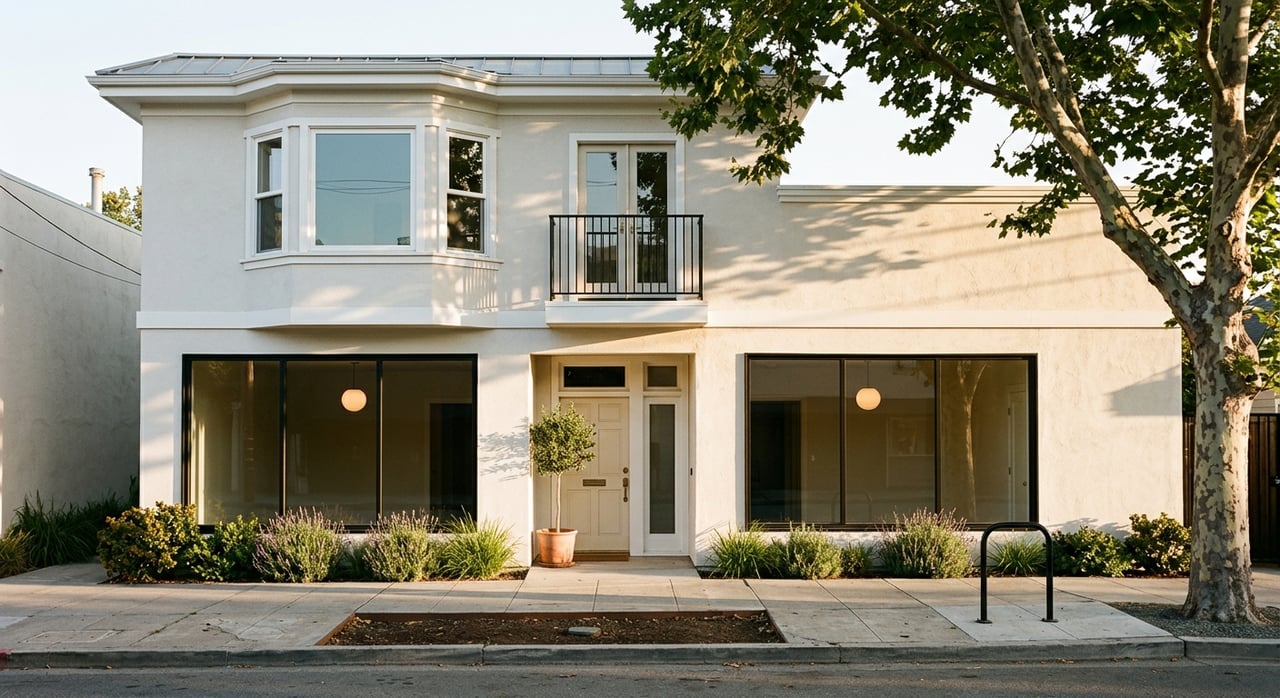
If you are exploring homes near Solano Avenue, the biggest thing to know is that the area blends commercial and residential uses. On the corridor itself, Albany’s land-use rules allow a mixed pattern that can include storefronts with housing above or behind them, which supports apartments and other multifamily housing along parts of the avenue.
Just beyond the main commercial stretch, the setting shifts back toward lower-rise residential blocks. Albany’s Active Transportation Plan notes that the Albany side west of San Pablo Avenue becomes more residential, while the commercial corridor continues east toward Berkeley.
That means your housing options can vary depending on how close you want to be to the busiest section of the street. Some buyers may prefer the convenience of being right by shops and transit, while others may want a nearby side street with quick access to Solano but a more residential feel.
Albany’s broader housing character
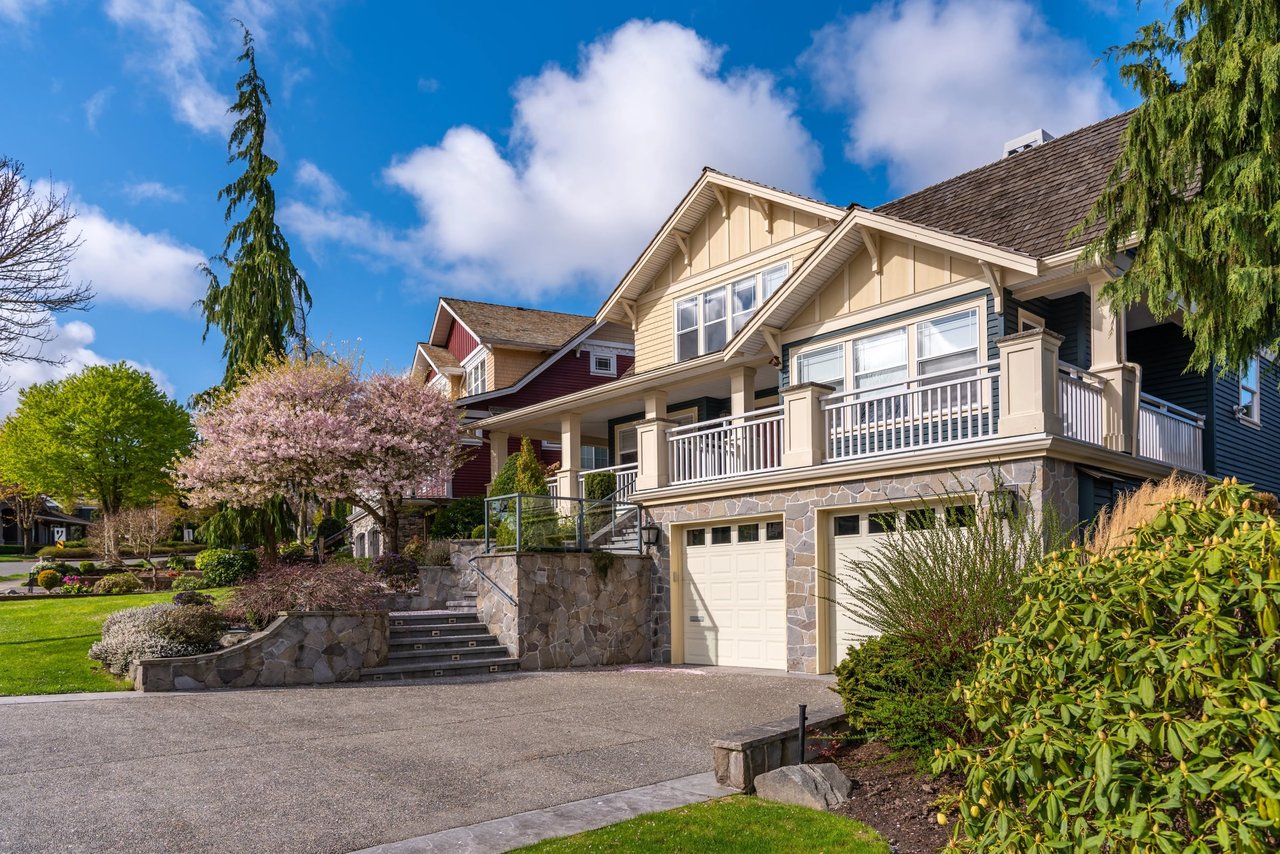
To understand Solano, it also helps to understand Albany as a whole. The city describes Albany as a community made up largely of single-family homes and small businesses, with much of the housing stock built before 1950, according to the city’s community overview.
The city also notes in its planning materials that Albany’s earlier development is known for modest 1920s and 1930s bungalows, while much of the housing built after 1950 was multifamily. That broader pattern helps explain why Solano Avenue feels integrated into surrounding neighborhoods instead of separated from them.
For you as a buyer or seller, that mix can be important. A home near Solano may offer a different lifestyle than a property in a purely residential pocket, even if the distance between them is small.
Walkability and daily convenience
One of Solano Avenue’s biggest strengths is how accessible it is within Albany. The city’s Active Transportation Plan says the corridor is the city’s primary neighborhood commercial district and lies within a half-mile of nearly all Albany residents.
That kind of proximity supports a more walkable day-to-day routine. If you live nearby, you may be able to walk to restaurants, services, and small shops instead of relying on a car for every outing.
At the same time, it is worth keeping expectations realistic. The city’s Solano Avenue study notes current friction points, including narrow or damaged sidewalks in places and limited formal bicycle infrastructure. So while the corridor is clearly walkable by design, the experience can vary block by block.
Bikes, buses, and getting around
If you want options beyond driving, Solano Avenue offers a useful transit connection. AC Transit route information shows that Route 18 and the G transbay line serve Solano Avenue, connecting the corridor with Berkeley, Oakland, San Francisco, University Village, and El Cerrito Plaza BART.
That can make the area appealing if your routine includes regional travel or a commute across the East Bay or into San Francisco. Even if you still keep a car, having transit nearby can add flexibility to your daily schedule.
The city has also planned for continued pedestrian and bike improvements. The corridor study highlights goals such as better crossings, curb ramps, sidewalk repair, pedestrian-scale lighting, and more room for bikes and public space. Those efforts reflect a long-term push to make the street more comfortable and functional for people moving through it on foot or by bike.
Parks and outdoor access nearby
Main street living works best when you also have open space nearby, and Solano Avenue benefits from that balance. Memorial Park, Albany’s main city park, offers lawns, picnic areas, a playground, a dog park, tennis courts, fields, and frequent community events.
The Ohlone Greenway adds another dimension to daily life in the area. The city describes it as a linear bike-and-walk path under the BART tracks with paved walking trails, outdoor exercise equipment, and public art.
For many buyers, that combination matters. You get the convenience of a commercial corridor while still having access to places for exercise, recreation, and time outdoors.
Community events and neighborhood identity
A street feels different when people use it as a gathering place, not just a place to pass through. Solano Avenue has that kind of identity, and the clearest example is the annual Solano Avenue Stroll, which the association describes as a mile-long street festival with entertainers, food booths, crafters, and strong attendance.
Events like that reinforce the avenue’s role in everyday community life. They also give buyers and sellers a better sense of why this corridor stands out in the East Bay. It is not only about storefronts or housing types. It is also about how the street functions as a social center.
Is Solano Avenue right for you?
If you are drawn to neighborhoods where you can mix convenience, local businesses, and residential living, Solano Avenue is worth a closer look. It offers a main street setting with low-rise scale, independent businesses, transit access, and nearby parks, all within a city that still feels primarily residential.
The best fit depends on your goals. You may want to live directly on or near the corridor for easy access to shops and buses, or you may prefer a nearby residential block that keeps Solano close without putting you in the middle of the activity.
If you want help comparing Albany micro-locations, evaluating nearby housing options, or understanding how a specific property fits your lifestyle goals, David R Valva can help you make a more confident move in the East Bay.
FAQs
Is Solano Avenue in Albany mostly commercial or residential?
- Solano Avenue in Albany is both, with a mixed-use commercial corridor that includes housing opportunities, while nearby areas west of San Pablo Avenue become more residential.
What types of homes are near Solano Avenue in Albany?
- Housing near Solano Avenue can include multifamily homes and residences associated with mixed-use buildings along the corridor, plus nearby low-rise residential streets that reflect Albany’s broader mix of older single-family homes and later multifamily development.
Is Solano Avenue in Albany walkable for daily errands?
- Yes, Solano Avenue is designed as a pedestrian-oriented main street with shops and services close together, though some blocks still have sidewalk and bike infrastructure constraints.
What transit options serve Solano Avenue in Albany?
- AC Transit lists Route 18 and the G transbay line on Solano Avenue, connecting the corridor with Berkeley, Oakland, San Francisco, University Village, and El Cerrito Plaza BART.
What parks are near Solano Avenue in Albany?
- Key nearby outdoor amenities include Memorial Park and the Ohlone Greenway, which offer open space, walking paths, recreation areas, and community gathering spots.
What makes Solano Avenue feel distinct within Albany?
- Solano Avenue stands out for its pedestrian-scale layout, independently owned businesses, local dining, community events like the Solano Avenue Stroll, and its role as Albany’s main street corridor.